

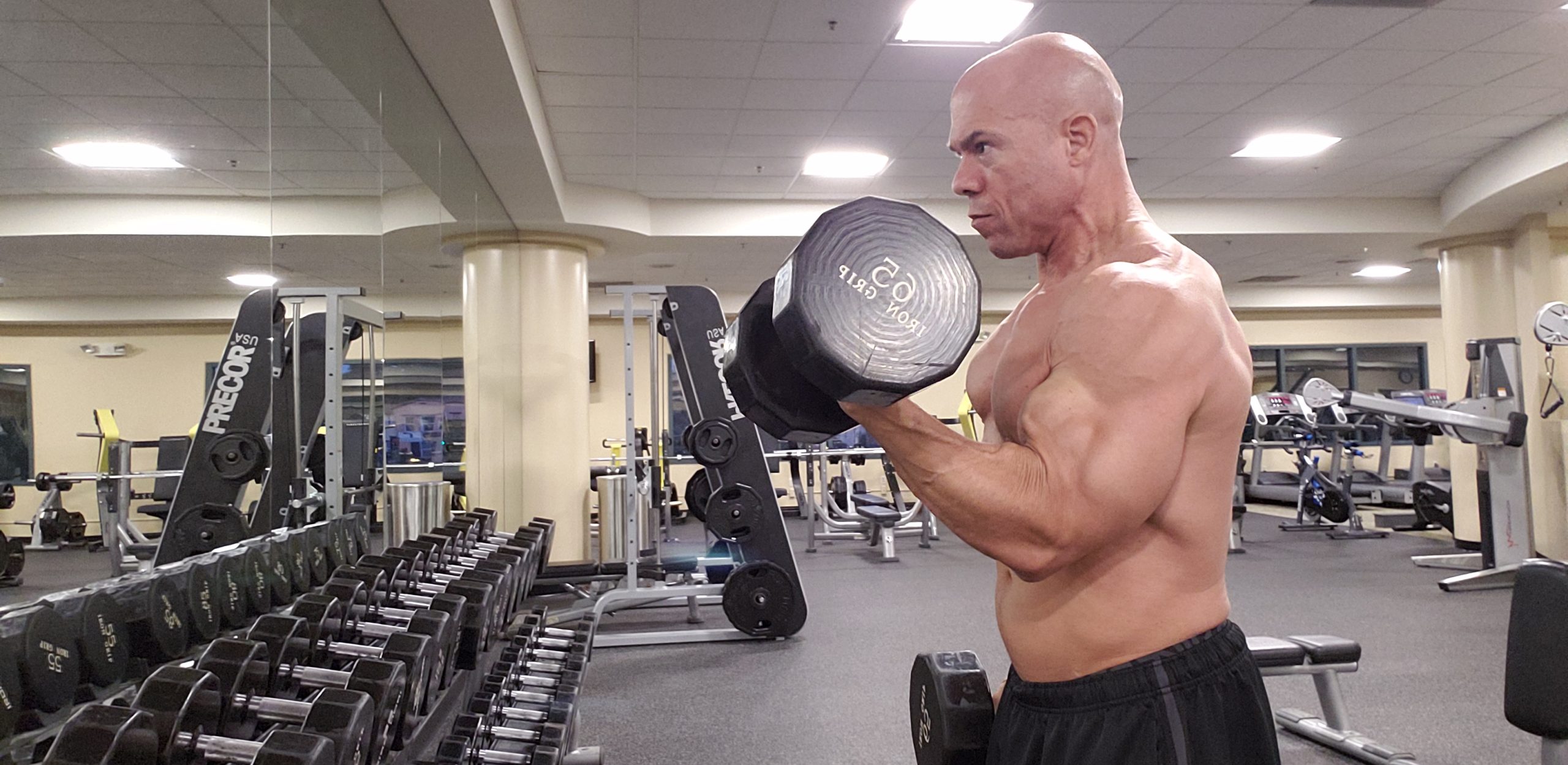
I hear this question all the time from men who are a little older. They have started training, or they have decided to take it seriously again. They want to make the most of the years ahead.
I love that. But I want them to change one word in the question.
Instead of asking how to build muscle fast, ask how to build it efficiently.
That change matters. Chasing speed can push you toward choices that undermine the result you want. You eat too little to lose weight. You eat too much to get bigger. You work hard, but your approach takes you somewhere you never meant to go.
You need an approach you can sustain. You need to understand what creates muscle growth. And you need to know whether more muscle is the main thing missing from the body you want.
Fast can send you in the wrong direction
Think about fat loss. You want the scale to move fast, so you slash your food. Your weight drops. You may lose some fat. But eventually, you reach the point where you cannot keep eating that way. You return to your old habits.
Now think about building muscle. You want to get bigger fast, so you eat more. The scale climbs. You assume those extra pounds mean more muscle.
But weight and muscle are not the same thing.
You can gain body fat and call it size. Then, when you lose that fat, you discover you did not build as much muscle as you thought.
The goal is to make progress you can keep. That takes patience and a clear understanding of what you are doing.
Give your body a reason to build muscle
Building muscle starts with creating a demand through weight training.
Your workouts need direction. Organize your approach. Set high standards. Keep those standards consistent so you can tell whether you are improving.
Aim to get a little better over time. That might mean one more repetition. It might mean a small increase in weight. It might mean better form, a better feel for the movement, or better execution.
Keep safety part of that process. Adding weight while losing control does not meet the same standard as lifting well.
Shoot for improvement each week. Be patient when progress takes longer. Keep working toward measurable improvement instead of repeating workouts without knowing what they accomplish.
Recover before you do it again
After you train, give yourself enough time to rest and recover before you repeat the work.
The workout and the recovery belong in the same plan. You cannot focus on the effort in the gym and overlook what comes afterward.
Train with purpose. Then allow enough recovery to support the next productive workout.
Eat enough to support the work
Food is another major part of this process.
You cannot keep under-eating and expect your training to deliver everything you want. What feels like enough food may still fall short of what supports your effort, energy, and quality of life.
Protein matters. So does your total calorie intake.
In the video, I describe a general approach of getting about 30 to 40 percent of your calories from protein. The larger point is to pay attention to both protein and the total amount you eat. That percentage is a starting framework, not a personal prescription for every man.
Eating as little as possible is not the goal. Overeating to force the scale upward is not the answer either. You want enough food to support your training and your life without adding body fat you will later need to lose.
The transformation you want may come from getting leaner
Here is the point many older men overlook.
You may think you need to build a lot more muscle to look the way you want. But much of the change you are looking for may come from losing the body fat covering the muscle you already have.
You want to look bigger. You want to look more muscular. So you assume you need to weigh more.
Often, the direction you need to go is down on the scale.
In the video, I use the example of a man who weighs 200 pounds and imagines his goal body at 210. His desired appearance might be closer to what he would see at a leaner 180. Those numbers illustrate the point; they are not a target for every man.
With less fat covering your muscles, you can see more shape and separation. Your muscles stand out. You may weigh less while looking more muscular.
That is why getting leaner deserves your attention. You may already have more muscle than you realize.
Set expectations that help you stay consistent
People of all ages can overestimate how much actual muscle they will add in a given time. Older men do it. Younger men do it too.
When you expect a dramatic increase in muscle right away, useful progress can feel disappointing. You start questioning the process because your expectations ran ahead of what you could reasonably achieve.
Keep working to build muscle. Train progressively. Maintain your standards. Recover. Eat enough to support the work.
At the same time, look honestly at the role body fat plays in your appearance. Adding more weight may not produce the change you want. Revealing the muscle you already have may bring you much closer.
So when you ask me, “How can I build muscle fast at my age?” my answer starts with the basics. Create the demand. Support it with food and recovery. Be patient.
Then consider the answer you may have overlooked: get leaner, effectively and efficiently.
You may not need as much new muscle as you think to see a meaningful change in the mirror.
Fill Out The Questionnaire Below. This questionnaire will help me learn more about you. Not only will it help me learn more about you and better serve your needs, it will help you gain more clarity as to what you want and what may be stopping you from getting it.
Expect me to reach out to you very soon. I’ll contact you by text, phone call, or email.
